
Wedding photography journal
Wedding photography styles: traditional, candid and fine art
Understand how traditional portraits, candid documentary coverage and fine art approaches fit a wedding day, and what to ask when comparing photographers.

Style is more than a label
Traditional, documentary, candid, editorial and fine art are useful starting points, but photographers use these words differently. When you compare portfolios, look at both the appearance of the photographs and how the photographer works with people. Color and contrast describe the finished image; direction and observation describe the experience of making it.
Ask a photographer to explain their approach using a complete wedding gallery. That makes the conversation more concrete than choosing a label from a list. You can see how their approach changes between family portraits, the ceremony and the dance floor.
Traditional photography: making room for the group portraits
A traditional approach usually includes directed portraits: the couple together, family combinations and the wedding party. The photographer helps arrange people, chooses where they stand and checks the group before making the photograph.
This can be useful when you want a clear photograph of particular people together. Share a short list of essential family combinations and flag any relationships or accessibility needs privately. Ask how much time to allow and who can help gather people. A directed portrait can still feel warm and relaxed.
Candid or documentary photography: following what happens
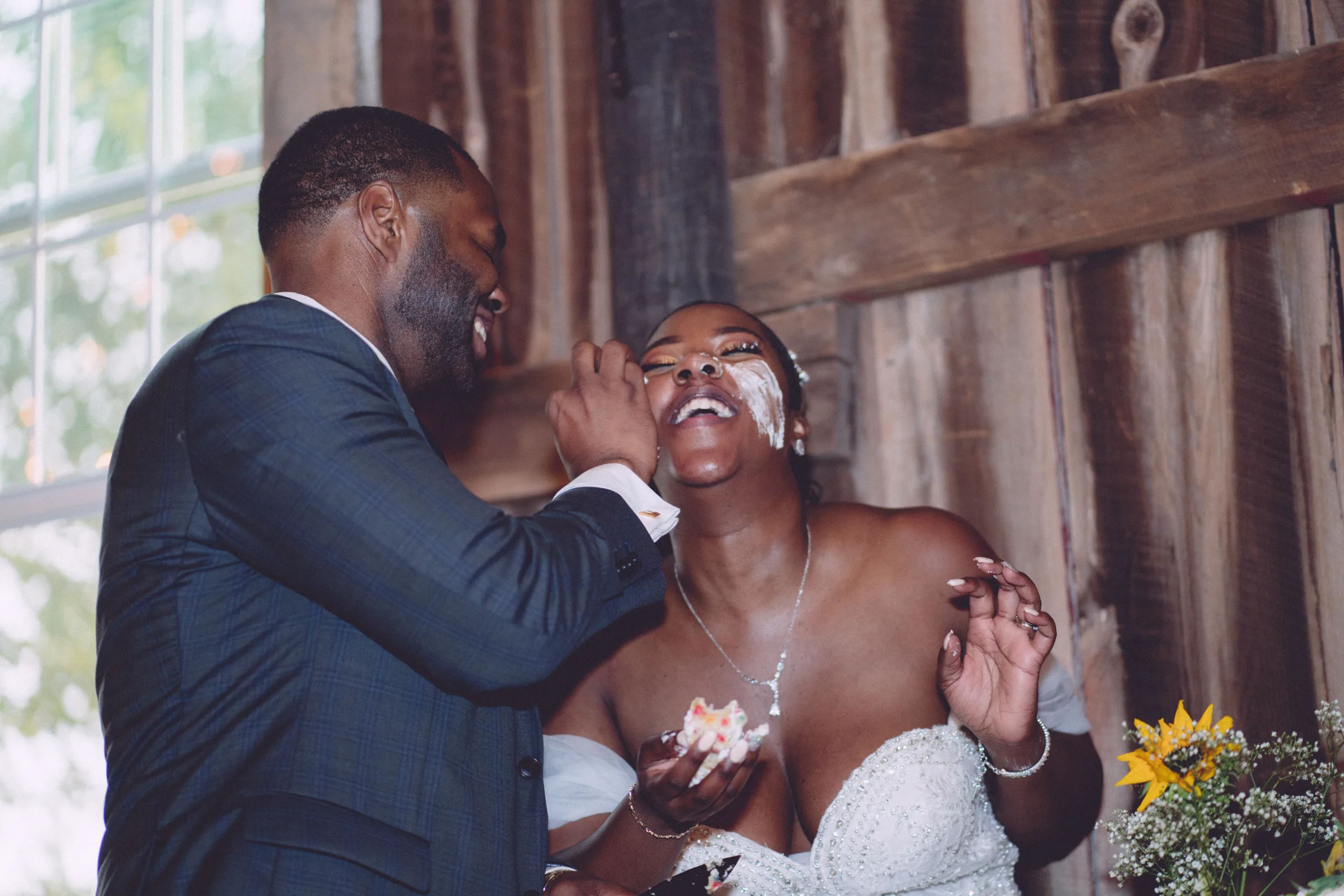
A candid approach pays attention to the interactions that happen without being arranged: a parent watching the ceremony, friends laughing at a table or a quiet conversation during preparations. Documentary coverage aims to follow the story as it unfolds.
Ask how much direction the photographer gives during different parts of the day. Some photographers combine mostly observational coverage with a planned portrait session. Others direct more often. There is no need to give up family portraits simply because you also want natural, unposed moments.
Read how to make room for candid wedding photographs.
Fine art and editorial approaches: looking at composition and light
Fine art often describes an emphasis on composition, light and the photographer’s interpretation. Editorial work may involve more deliberate direction or a styled portrait. Neither term tells you by itself how much time a photographer will spend arranging a scene.
Look for examples beyond the couple’s portraits. Do you like how the same photographer handles busy rooms, family groups and the reception? Ask which parts of a sample gallery were directed and how that would fit your schedule. A photograph’s polished appearance does not tell you how long it took to create.
Choose the balance that suits your wedding
You might want relaxed family portraits, a little time together in beautiful light and candid coverage of the celebration. Describe that balance in your own words. Bring examples, but also explain how you want the day to feel and how long you are comfortable being away from your guests.
My wedding work combines natural portraits, attention to light and the unguarded moments between the planned ones. Browse the Numidia Photography wedding collection, then ask how that approach could fit your Upstate New York wedding.
More from the journal.
11 October 2026
How to read a wedding photography portfolio beyond the highlight reel
Look beyond a few beautiful portraits. Use light, family photographs and reception moments to compare wedding portfolios, with examples from Ahmed Seridi’s own work.
Read→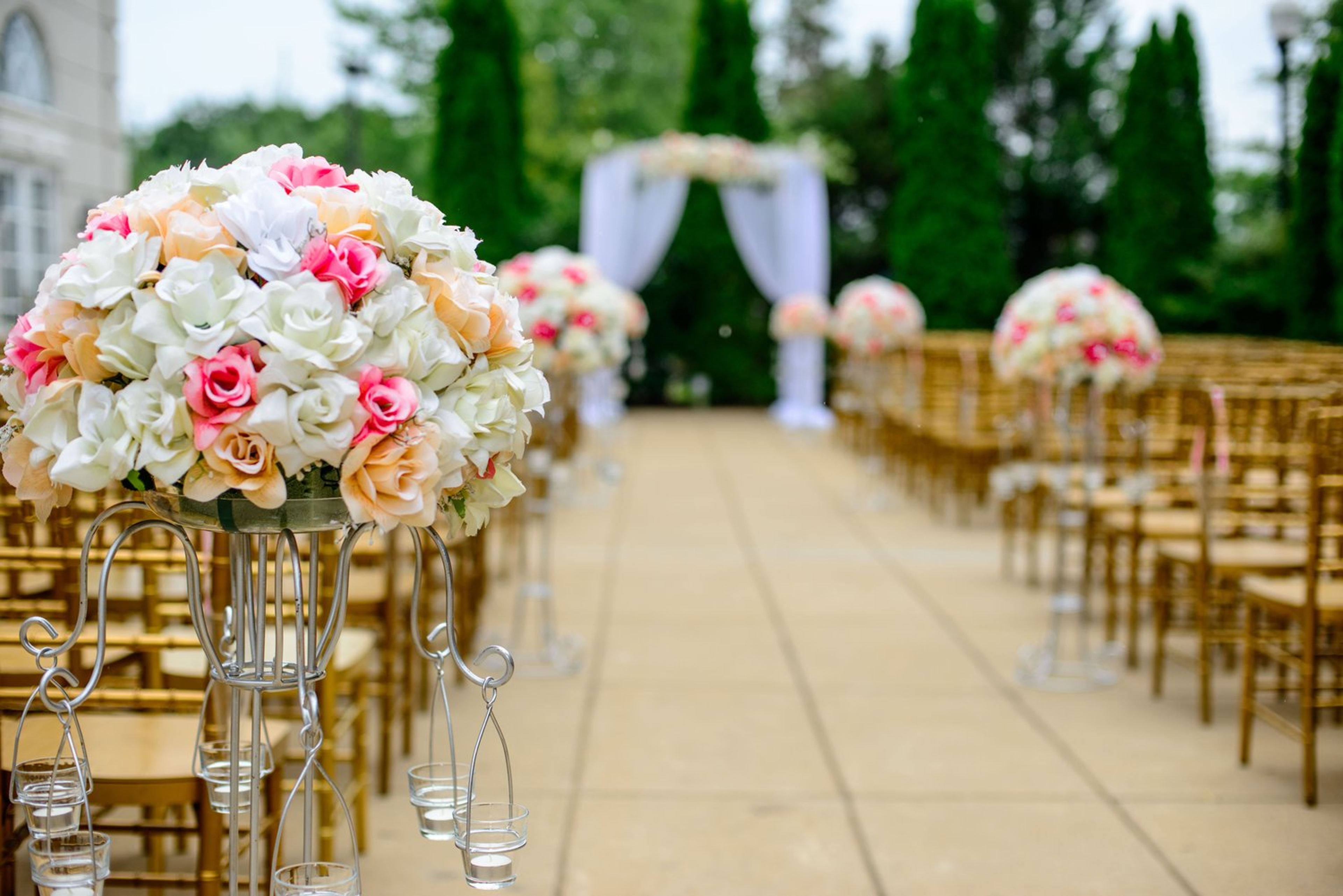
26 June 2024
Candid wedding photography: making room for real moments
Plan a wedding day with room for natural photographs: a flexible timeline, clear family portraits and time to enjoy the people around you.
Read→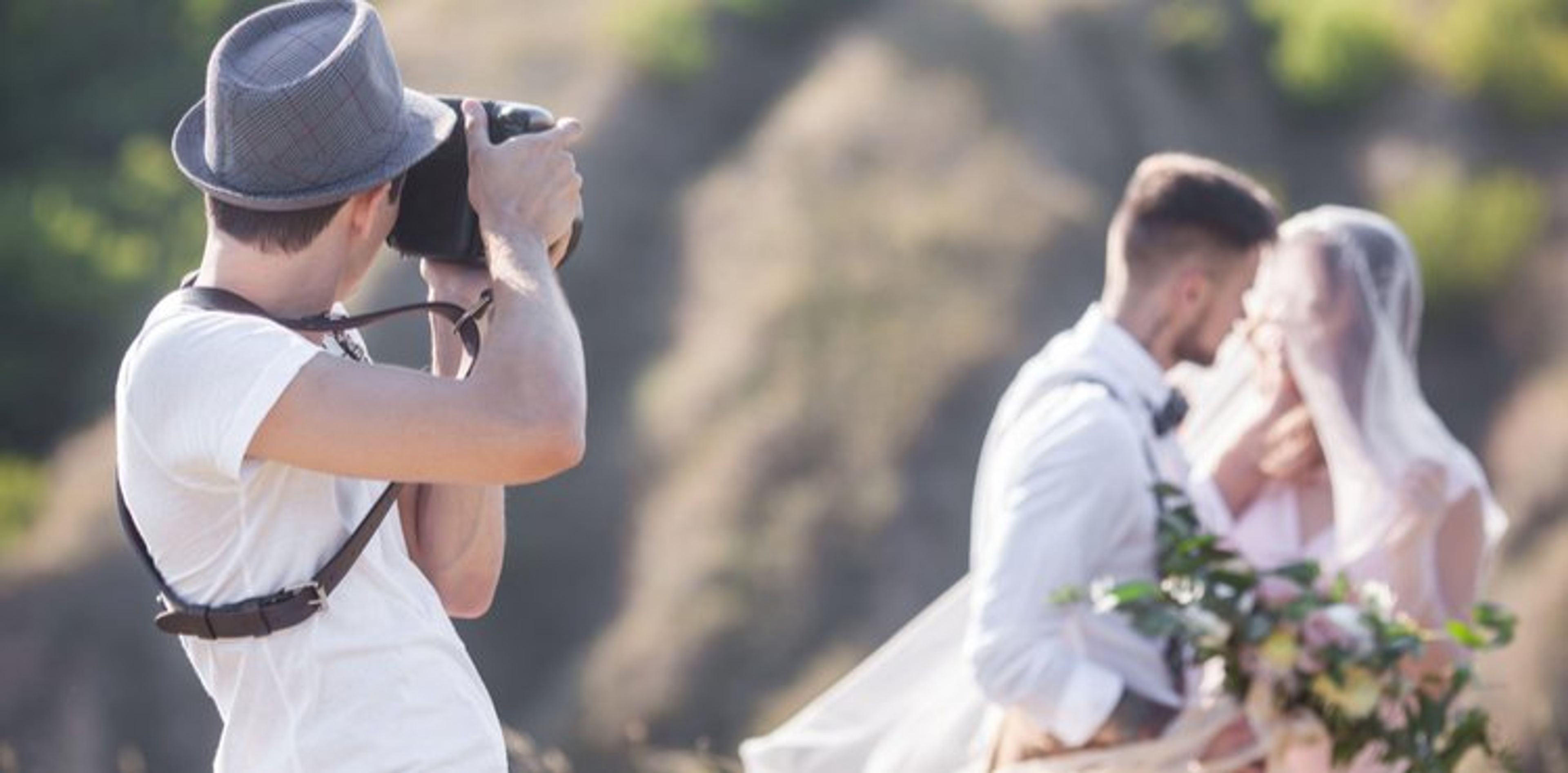
7 June 2025
5 tips for choosing your Upstate New York wedding photographer
Compare complete galleries, photography styles, coverage and communication before choosing a wedding photographer for your Upstate New York celebration.
Read→