
Wedding photography journal
An Upstate New York wedding photo timeline: two ways to plan a 4 p.m. ceremony
Two practical timelines for a 4 p.m. ceremony, with room for family portraits, travel and time together. A planning guide from Troy-based Numidia Photography.
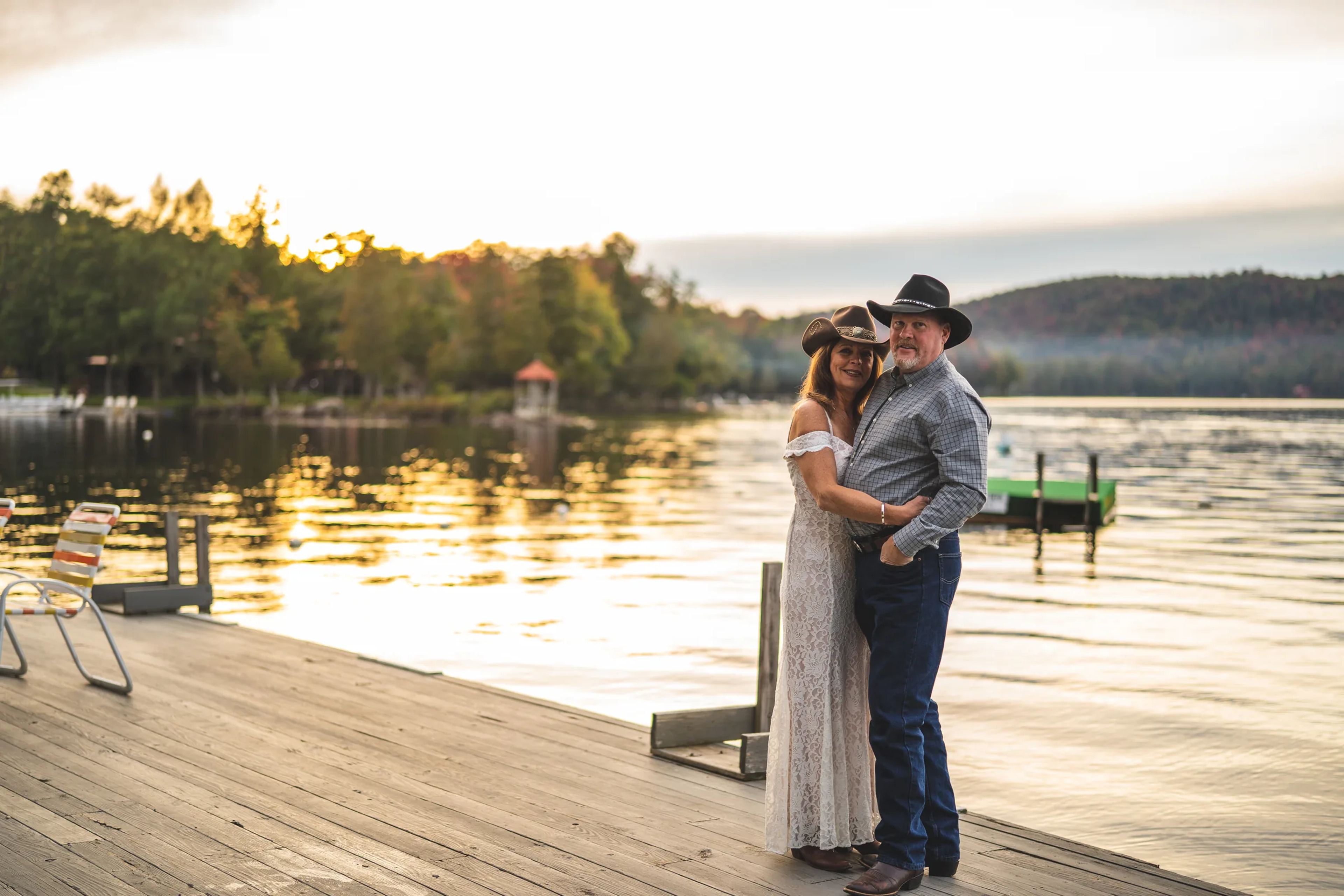
Start with the ceremony, the light and the moments you want to keep
A useful wedding photography timeline protects your experience of the day. It should make room for the people you love, the photographs you care about and the small delays that happen when everyone is getting ready. The right schedule depends on whether you want to see each other before the ceremony, how far apart your locations are and when usable outdoor light ends.
These two examples assume a 4 p.m. ceremony lasting about 30 minutes, with preparation, portraits and the celebration at one venue. They are starting points, not promises about how long your own photographs will take. For an Upstate New York wedding with separate getting-ready locations, a church ceremony or a reception elsewhere, add the actual journey and arrival time before deciding what fits.
Option one: a first look before the ceremony
A first look means seeing each other privately before the ceremony. It can create a quieter space for your reactions and move some portraits earlier, leaving more of the cocktail hour for your guests. It is a choice about how you want the day to feel, rather than a requirement for good photographs.
- 1:30–2:15 p.m.: finishing touches, getting-ready moments and the details you have gathered together.
- 2:15–2:30 p.m.: a buffer to finish dressing and move to the first-look location.
- 2:30–3 p.m.: the first look and couple portraits, with a nearby alternative if the weather changes.
- 3–3:30 p.m.: wedding-party photographs and selected family groups, if everyone needed is present.
- 3:30–4 p.m.: time to tuck away, freshen up and prepare for the ceremony.
- 4–4:30 p.m.: the ceremony.
- 4:30–4:50 p.m.: congratulations and any remaining family combinations.
- 4:50–5:30 p.m.: time with your guests; a brief extra portrait session can fit here if the light and reception schedule allow.
Option two: see each other for the first time at the ceremony
If that ceremony reveal matters to you, build the day around it. Separate portraits can happen beforehand, but the couple portraits and any group photographs involving both of you need time afterwards. Tell your planner and venue that this time is part of your cocktail-hour schedule, so the reception does not begin while you are still away.
- 1:30–2:30 p.m.: getting ready, details and portraits that do not involve both partners together.
- 2:30–3:15 p.m.: separate family or wedding-party groups, only if they suit your arrangements.
- 3:15–4 p.m.: finish preparations, move into place and leave a buffer before the ceremony.
- 4–4:30 p.m.: the ceremony.
- 4:30–4:50 p.m.: a short, agreed list of family groups at one convenient location.
- 4:50–5:10 p.m.: photographs with the wedding party.
- 5:10–5:30 p.m.: couple portraits close to the reception, followed by time to rejoin your guests.
This example uses most of a one-hour cocktail period. A large family list, a walk to a distant portrait spot or a longer ceremony will need more time. If you want a full cocktail hour with guests as well as portraits afterwards, extend that period or move a portion of the photographs elsewhere in the day.
Treat sunset as a separate appointment
The sunset portrait in this portfolio is a reminder that light belongs on the schedule. A brief pause near the water can look very different from a photograph taken at midday. Ask your photographer to check sunset for your actual date and venue, then discuss whether stepping out during the reception makes sense.
Do not copy a summer timeline into an autumn or winter wedding. The U.S. Naval Observatory provides date-and-location sunrise and sunset data. Tree cover, buildings and the direction a portrait location faces can change when useful light disappears, so the published sunset time is a starting point rather than a guarantee.
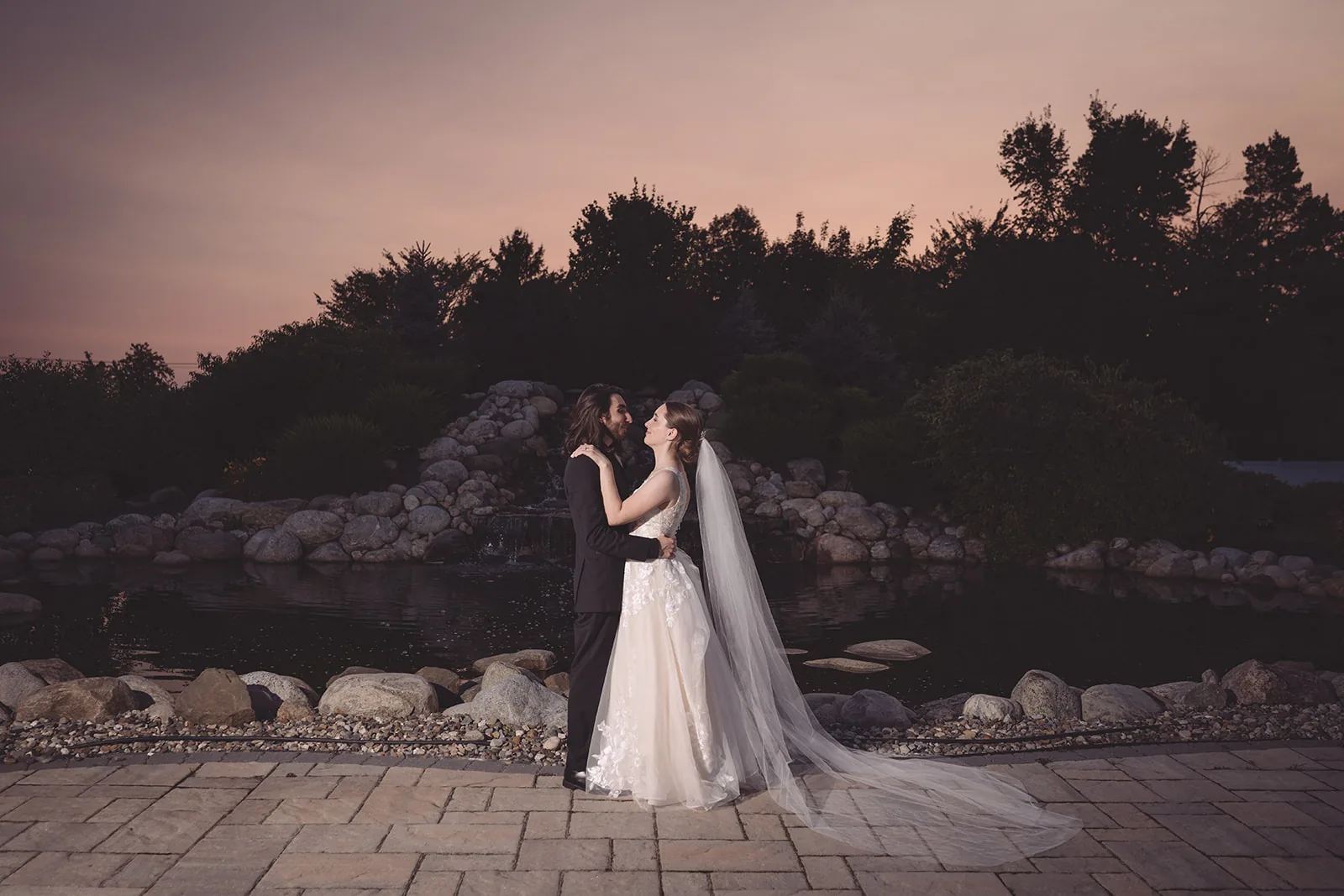
Check sunrise and sunset for your wedding date
Make the family list usable on the day
Write names and combinations rather than a long list of vague requests. For example, ‘the couple with both parents’ tells everyone more than ‘family photos.’ Identify a helper who knows the people on the list and can gather the next group while the current photograph is being made. Tell your photographer about mobility needs, family sensitivities and anyone who must leave early.
Leave a genuine buffer between the last planned portrait and the next event. That buffer should cover moving between spaces, finding someone, refreshing makeup or simply taking a breath. It is not spare time to fill with more photographs.
Plan coverage around your actual locations
Numidia Photography is based in Troy and serves weddings across Upstate New York. Whether your plans are in the Capital Region, the Hudson Valley, the Adirondacks or elsewhere in the region, share your date, ceremony time, venues and priorities when you inquire. Those details make a conversation about coverage much more useful than starting with a number of hours alone.
More from the journal.
7 June 2025
5 tips for choosing your Upstate New York wedding photographer
Compare complete galleries, photography styles, coverage and communication before choosing a wedding photographer for your Upstate New York celebration.
Read→
26 June 2024
Candid wedding photography: making room for real moments
Plan a wedding day with room for natural photographs: a flexible timeline, clear family portraits and time to enjoy the people around you.
Read→
11 October 2026
Rain, shorter days and indoor light: planning wedding photos in Upstate New York
A practical backup plan for wedding portraits, from covered locations and travel time to shorter autumn days and indoor celebrations in Upstate New York.
Read→